B2B Casino Platform: White-Label and API Integration Basics
This simple auto technician remains much hitter for people just who really worth uniform, antique actions
October 9, 2026This shortlist skips the latest guesswork and you may facts your directly to ports value their money and you will date
October 9, 2026B2B Casino Platform: White-Label and API Integration Basics
B2B Casino Platform for Operators: How White-Label iGaming Works
I’ve deployed white label casino setups before. A typical B2B casino platform lets operators relaunch in weeks, not months. You brand a full iGaming platform for operators, plug in payments, and for modern casino business partnerships like https://turnkeycasino.ro/ you can streamline onboarding, integrate smoothly, and manage content delivery with confidence.
B2B Casino Games Aggregation: Access to Slot Games and More
- Choose a B2B casino games feed by certified RNG and game categories.
- Demand instant slot access via API/webhook content sync.
- Set per-brand paylines/denoms limits inside your B2B casino platform.
- Test casino game aggregation with 20 live titles before launch.
- Run a weekly casino content provider audit for new releases.
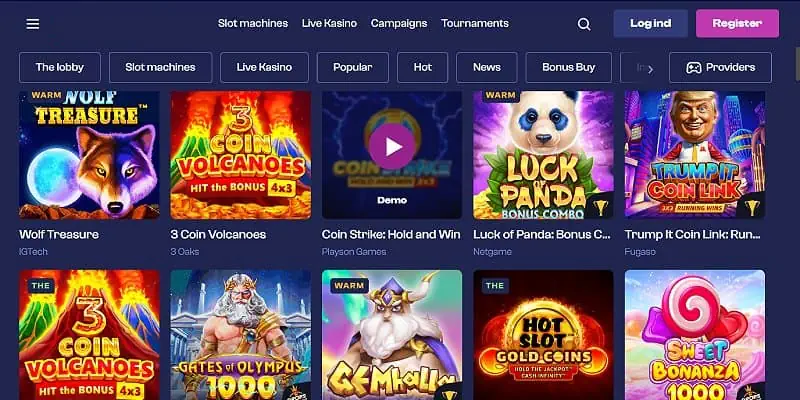
I’ve used a casino aggregator for business like Playtech Fusion for partners, and it cut my onboarding time. You should insist on a mix of slots, live dealer, and table content. That’s how B2B online casino operators avoid “one-trick” catalogs and churn.
Automated Slot Site Platform: Real-Time Content, Instant Availability, and Updates
I trust automated slots platform setups because I’ve watched campaigns break when catalogs lag. Real-time updates should hit within minutes, not days. Here’s what I’d compare if you’re choosing slot site platform tech.
| Brand | key specification | price range | your verdict |
|---|---|---|---|
| Quickspin | aggregated slot modules | $500-$1,500/mo | Good for slot-heavy launches |
| Playtech Fusion | operator integration toolkit | $2,000-$5,000/mo | Solid, but pricier |
| NetEnt Game Aggregation | content distribution | $1,000-$3,500/mo | Fast catalog updates |
| Evolution API (via partners) | live+slots bundles | $1,500-$4,000/mo | Best if you want full-casino |
Casino Software Provider vs Casino API Provider: Choosing the Right Integration Option
I integrated both paths in two operator builds. A casino software provider feels plug-and-play; a casino API provider feels like Lego, but you own the wiring. Pick based on whether you want a full platform or only gaming platform integration.
When the API works, you’ll feel proud. When it breaks, you’ll feel responsible—plan monitoring before launch.
Casino Supplier and Content Provider Model for Scalable Game Distribution
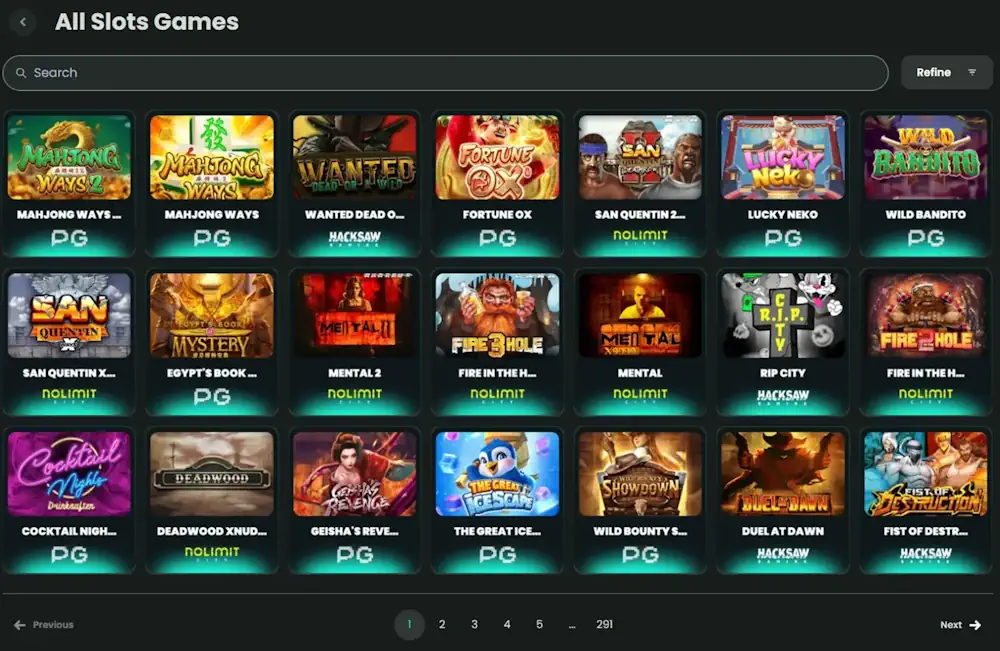
On my side projects, scalability usually failed at the content agreements, not the tech. A casino supplier model helps you scale slot games distribution across regions, while a slot content provider model keeps catalog updates predictable. Separate contracts for casino content provider and slot game supplier reduces downtime during renewals.
Turnkey iGaming Solution for Partners: Managed Casino Services and Ongoing Support
- Ask for a dedicated ops manager and 24/7 monitoring SLA.
- Verify “turnkey iGaming solution” includes KYC/AML hooks.
- Set release windows and rollback plan for slot content updates.
- Require weekly performance reports: RTP, latency, conversion.
- Confirm payment settlement tools for Skrill and Visa.
I went with managed casino services once at Unikrn (by proxy via an integrator) and it saved weeks. Turnkey should include ongoing support, not just go-live. That’s how you keep uptime when partners change configs.
Partner Program and iGaming Partner Management: From Business Partnerships to Revenue Sharing
I’ve seen partner programs fail from messy terms, not weak traffic. Run iGaming partner program ops like a pipeline with clear attribution and payments, not spreadsheets. Revenue sharing needs automated tracking with a single source of truth.
| Partner type | Typical rev split | Tracking rule |
|---|---|---|
| Affiliates | 20-30% | Last-click + bonus window |
| ISPs/SEO partners | 15-25% | UTM to account ID |
| White-label resellers | 10-20% | Contract ID by operator |
| Tech integrators | $500-$2,000/mo | Milestone billing |
Brand/Product Comparison Table: White-Label Casino vs Full Turnkey iGaming Solution vs Casino API
When I compare options, I anchor decisions on time-to-launch and who owns the ops. White-label cuts build time, while API cuts scope. White-label fits brands like Nektan-style resellers; turnkey fits regulated rollouts; API fits teams with strong gaming platform integration.
FAQ
How do I choose between a casino software provider and a casino API provider?
I pick software when I need a full launch fast, and API when my team can own gaming platform integration. The decision drives your support burden during outages.
What’s the real payoff of a B2B casino games aggregation?
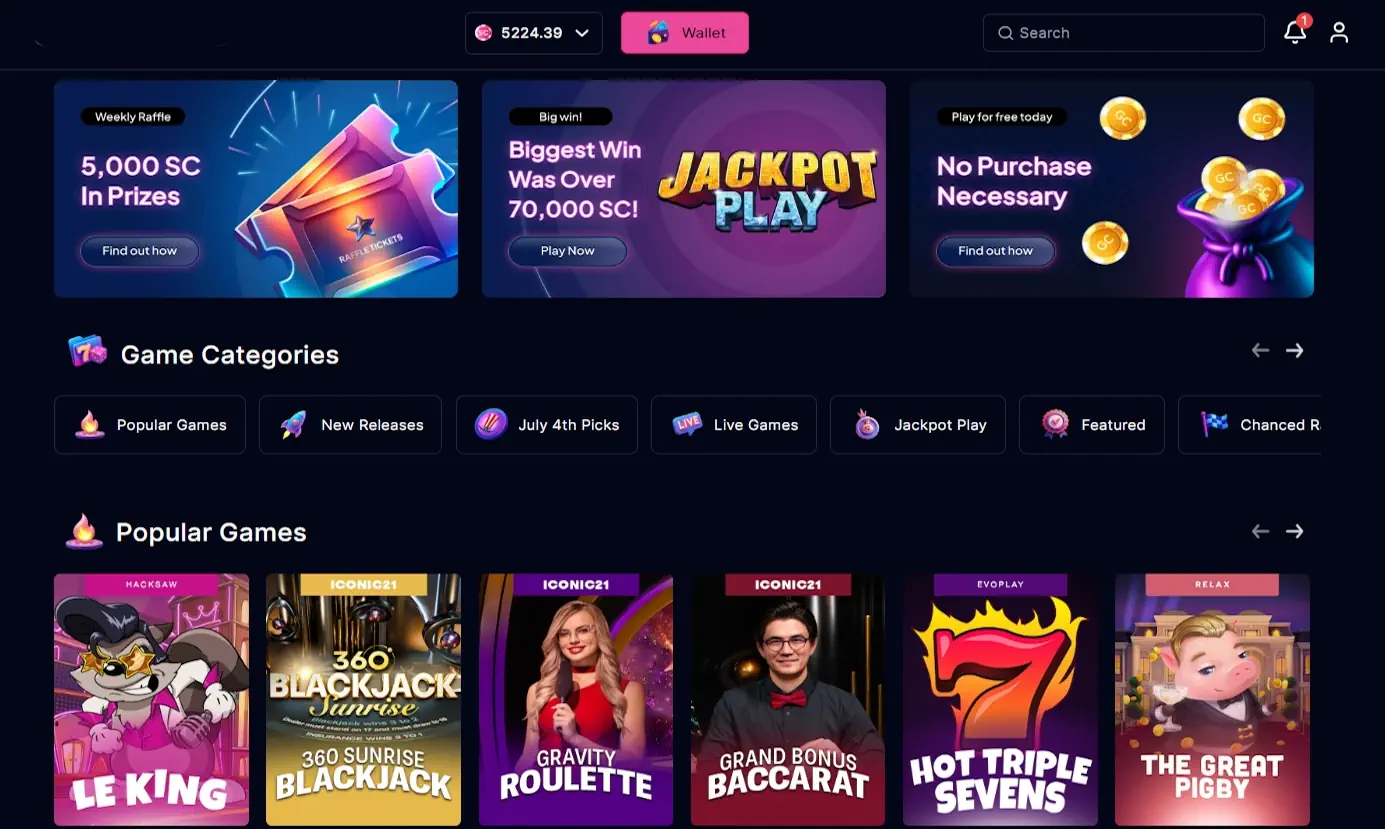
In my tests, operators get broader B2B casino games catalogs without hand-crafting feeds. Instant slot access also reduces “missing title” launch-day issues.
Do automated slot site platforms actually update fast enough?
They should push slot content within minutes, not days. I’ve seen campaigns miss promo windows when updates lagged.
Why separate casino supplier and content provider contracts?
In practice, renewals can stall specific catalogs. Splitting contracts helps avoid downtime across slot game supplier and casino content provider feeds.
Is turnkey iGaming for partners really worth it?
Yes when you need managed casino services and ongoing support, not just go-live. I’ve saved weeks by outsourcing monitoring and release rollback planning.
What makes an iGaming partner program work reliably?
Automated tracking with one source of truth for revenue sharing. I’ve avoided payment disputes by tying attribution to accounts/contracts instead of spreadsheets.
