When Casino Limits Are Hard to Set or Maintain
Colombia durante bastante ha sido pionera referente a Latinoamerica acerca de llano el juego en internet, supervisado por Coljuegos
October 19, 2026Aunque, las condiciones y campos sobre apuesta invariablemente dependeran de el casino
October 19, 2026When Casino Limits Are Hard to Set or Maintain
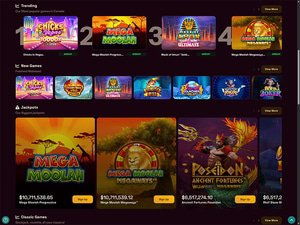
Responsible gambling tools are most useful when they help turn a vague intention into a clear boundary. A person may decide to spend less, play for a shorter session or take a break, yet still need practical controls that make the decision easier to keep. The grizzlys quest casino review describes account tools such as deposit limits, session reminders, self-assessment information and self-exclusion. These options are worth examining carefully, because each addresses a different risk and may involve different activation steps, waiting periods or support requirements.
Which control matches the problem?
A deposit limit is designed to restrict how much money can be added to an account over a selected period. The source material describes daily, weekly and monthly settings in the banking or account area. This can be useful before play begins, especially when the main concern is spending more than planned. A limit should be chosen in advance rather than adjusted during an emotionally difficult session.
A session reminder addresses time rather than money. It can interrupt continuous play by showing how long a person has been active, giving them an opportunity to stop, review their behaviour or take a break. This tool may suit someone who starts with a reasonable budget but loses track of time. It does not, however, replace a spending boundary, since a long session can still involve repeated small deposits.

Self-assessment information serves a different purpose. It encourages a person to consider warning signs such as chasing losses, hiding gambling, neglecting responsibilities or feeling unable to stop. If those signs are present, self-exclusion is generally a more decisive option than relying on reminders alone. The important point is to select a tool according to the actual difficulty, rather than choosing the least restrictive setting by default.
How to set a limit before playing
Begin with a complete view of available finances. Consider rent, food, utilities, debt payments, savings and irregular expenses before deciding whether any discretionary gambling budget exists. The limit should represent money that can genuinely be lost without affecting necessities. It should never be based on expected winnings, an upcoming paycheque or the belief that a previous loss will soon be recovered.
Next, select a time period that reflects the way money arrives and bills are paid. A weekly limit may be easier to understand for someone paid weekly, while a monthly ceiling can provide a broader view of recurring commitments. Write down the amount and the reason for it before opening the account area. A written decision is less vulnerable to the excitement or frustration of a live session.
Use the account’s banking or responsible-gambling controls to apply the chosen setting, then check how it operates. The available source information does not establish every activation rule, change delay or reset condition, so players should read the displayed requirements carefully. If a setting cannot be found or does not behave as expected, pause play and contact support rather than making another deposit while seeking clarification.
Why a limit may not solve every concern
A spending cap controls deposits, not necessarily the time spent gambling or the emotional effect of losing. Someone can remain within a limit while playing for hours, repeatedly cancelling a withdrawal or moving money between activities. Limits also depend on honest decisions at the point of setup. A person who continually increases the ceiling whenever it becomes inconvenient may have outgrown the usefulness of that tool.
Promotions and loyalty incentives can create additional pressure. Bonus conditions may encourage continued play, while progress through loyalty levels can make stopping feel like giving something up. These incentives should not be treated as reasons to raise a personal limit. If an offer conflicts with a pre-set boundary, the boundary should take priority. Unclaimed rewards are not a financial emergency.
It is also important to distinguish a technical control from broader support. The Responsible Gambling Council’s public information can provide general education about gambling-related risks, but it does not confirm the operation of any particular account feature. If gambling is affecting sleep, relationships, work, borrowing or mental health, consider speaking with a qualified support service or healthcare professional instead of relying only on website settings.
When a break should become self-exclusion
A short break may be appropriate when play has become distracting but remains easy to stop. Self-exclusion is more suitable when a person repeatedly breaks their own limits, chases losses, hides activity or feels unable to control access. It is a deliberate decision to prevent or restrict gambling for a chosen period. The decision should be made away from a game, promotion or urgent financial worry.
Before requesting exclusion, record any information needed for personal finances: pending transactions, recurring obligations, unsettled disputes and available account records. Do not continue gambling simply to use a balance or complete a promotion. The source material indicates that exclusion requests and some other controls may require contact with support, so the exact procedure should be confirmed through the account or Help Centre.
Prepare alternatives for the period away. Remove saved payment details where possible, unsubscribe from promotional messages, use blocking tools on devices and tell a trusted person about the decision. These steps reduce prompts that can undermine a break. If exclusion is requested but access remains available, do not test the account by playing; document the issue and contact support promptly.
Check the local conditions before relying on a tool
Account controls can be affected by province, residency, age, verification status and the operator’s current terms. The source material says that access and responsible-gambling features are subject to local requirements, while some promotional activity is not available to Ontario residents. That means a tool described in a review may not appear in precisely the same form for every Canadian account.
Read the wording beside each control, especially where it refers to effective times, duration, account access, withdrawals or changes. A deposit limit may apply only after a stated delay, and self-exclusion may involve a separate request rather than a simple switch. The available information does not establish universal timeframes or identical conditions, so assumptions should be avoided.
Keep a personal record of the setting, date and confirmation message. Review transaction history regularly and compare it with the limit selected. If the account display, banking records or support response appears inconsistent, stop depositing until the issue is resolved. Responsible gambling is easier to manage when the player treats controls as firm financial safeguards rather than optional features to negotiate during play.
Frequently asked questions about gambling controls
Can a deposit limit prevent all gambling losses?
No. It limits deposits according to the account setting but does not necessarily control session length, existing balances or time spent playing. It also depends on choosing an appropriate amount and following the stated rules. Someone concerned about control may need a break, self-exclusion or outside support as well.
What should I do if I cannot find self-exclusion?
Do not continue playing while searching for the option. Check the responsible-gambling area and Help Centre, then contact support using the available channel and request clear instructions. Keep screenshots or written records of the request. If access remains available, use device blocking and payment safeguards meanwhile.
Are responsible-gambling tools identical across Canada?
Not necessarily. Availability can depend on provincial conditions, residency, account status and the operator’s current terms. A general review cannot guarantee that every control, waiting period or support process applies to every player. Check the terms displayed for your account before relying on a particular setting.
