The historical journey of gambling From ancient rituals to modern casinos
⟬House Out of Enjoyable Gambling best 500 first deposit bonus online casino establishment Bonus Coupon codes 2026 ⟭ Score Home Of Fun Local casino Incentive Coupon, Added bonus Vaucher otherwise Incentive Code
August 31, 2026Huangdi-The newest Red-colored Emperor Slot by the Microgaming william hill promo code Remark and you will Gamble Totally free Trial
August 31, 2026The historical journey of gambling From ancient rituals to modern casinos
The historical journey of gambling From ancient rituals to modern casinos
Origins of Gambling in Ancient Civilizations
The roots of gambling can be traced back to ancient civilizations, where it was often intertwined with cultural and religious practices. Archaeological findings suggest that dice, one of the earliest forms of gambling, were used in Mesopotamia around 3000 BC. These primitive games were not merely for entertainment; they were often part of rituals to seek divine guidance or favor. In ancient Egypt, gambling took on a more structured form, with games played in public spaces, showcasing society’s complex relationship with chance. With resources like sister sites uk, players today can explore various casinos and understand their historical connections.

The Greeks and Romans further evolved gambling by introducing various betting games, including the popular game of knucklebones, which bore resemblance to modern dice. These games were prevalent during festivals and public gatherings, highlighting the social aspects of gambling. With the establishment of betting on chariot races and gladiatorial contests, gambling became deeply embedded in the fabric of ancient entertainment. The duality of gambling as a source of fun and a method to appease the gods reflected the complexities of human nature.
As societies progressed, gambling was often subject to regulations and moral scrutiny. The Roman Empire, for example, had laws governing betting and even banned it during certain religious festivals. Despite this, gambling thrived, demonstrating its resilience across cultures. This intersection of legality, morality, and cultural significance set the stage for the evolution of gambling practices in the centuries to come, leading to more sophisticated structures that would emerge during the Middle Ages.
Gambling in the Middle Ages
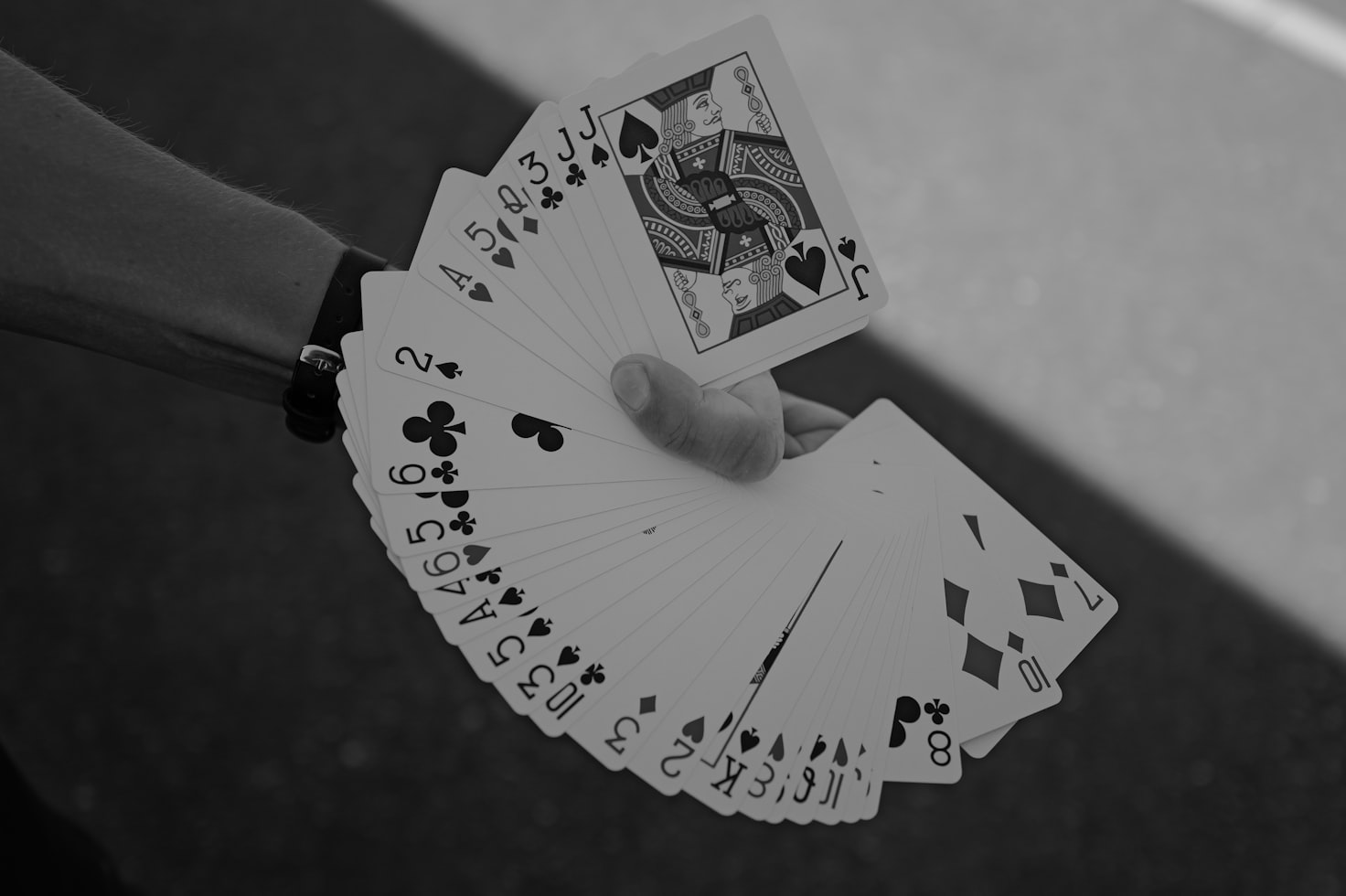
The Middle Ages saw a transformation in gambling, particularly in Europe, where it became more organized and widespread. The introduction of playing cards in the 14th century revolutionized the gambling landscape. Originating in Asia, these cards found their way into European society, leading to the emergence of card games that captivated the masses. The influence of these games was significant, as they not only entertained but also served as a social equalizer, uniting people from various social standings.
During this time, gambling houses began to emerge, offering structured environments for players. Unlike the informal settings of earlier eras, these establishments provided a sense of legitimacy and decorum. However, the Church maintained a strong opposition to gambling, viewing it as a vice that distracted believers from piety. This tension led to fluctuating periods of acceptance and prohibition, with various monarchs attempting to regulate or even ban gambling altogether.
Despite these challenges, gambling continued to evolve. The establishment of state lotteries in the 16th century marked a pivotal moment in the history of gambling, with governments realizing the potential for revenue generation. This period solidified the place of gambling in society, paving the way for its re-emergence in a more regulated form in the Renaissance, leading towards the modern era of gaming that we recognize today.
The Birth of Modern Gambling and Casinos
The 17th and 18th centuries marked the birth of modern gambling as we know it. The establishment of the first official casino in Venice in 1638 symbolized a significant transition from informal betting to organized gaming. This casino set a precedent, attracting nobility and commoners alike, establishing a framework for future gambling establishments. The allure of casinos spread throughout Europe, with cities like Monte Carlo and Paris becoming synonymous with luxury gambling experiences.
The industrial revolution played a crucial role in shaping modern gambling. As cities grew and the middle class emerged, more people had disposable income and leisure time, leading to an increase in gambling activities. The introduction of roulette and the refinement of card games allowed for a more sophisticated gambling experience. The development of casinos was not just about gaming; it created social spaces where people could gather, socialize, and indulge in entertainment, reflecting the era’s changing cultural dynamics.
The 20th century witnessed the rise of Las Vegas as the gambling capital of the world. With its extravagant resorts and themed casinos, Las Vegas redefined gambling into a form of entertainment rather than a mere pastime. The commercialization of gambling included the introduction of slot machines and elaborate gaming shows, making it accessible to a broader audience. This shift marked a significant cultural transformation, illustrating how gambling had evolved from ancient rituals into a major entertainment industry, shaping societal norms and expectations.
Gambling in the Digital Age
The advent of the internet has brought about a revolutionary change in the gambling landscape. Online casinos emerged in the late 1990s, providing players with unprecedented access to gaming from the comfort of their homes. This shift not only democratized gambling but also introduced new formats such as live dealer games and mobile gambling. The convenience of online platforms led to a surge in participation, especially among younger demographics who are increasingly comfortable with digital transactions.
Regulations surrounding online gambling have evolved, leading to a more structured environment for players. Countries around the world have begun to implement licensing and oversight mechanisms to ensure fair play and consumer protection. The rise of cryptocurrency has further transformed the space, allowing for anonymous betting and quicker transactions. With innovations such as blockchain technology, the potential for transparency and security in online gambling has significantly increased, appealing to a modern audience.
Moreover, the cultural perception of gambling has shifted dramatically. Once viewed as a vice, it is now often seen as a legitimate form of entertainment. As gambling becomes integrated into mainstream culture, discussions around responsible gambling and addiction have gained prominence. This evolution reflects changing societal values and a growing recognition of the complex relationship between chance, risk, and entertainment in contemporary life.
Understanding the Online Gambling Landscape
In the modern context, understanding the online gambling landscape is crucial for players seeking to navigate this evolving industry safely. Platforms like Casino Sister Sites UK serve as valuable resources, providing insights into various online casinos and their relationships. This transparency helps players make informed decisions when choosing where to gamble, emphasizing the importance of awareness in an increasingly complex digital environment.
By offering detailed analyses of ownership structures, licensing information, and comparative insights, these platforms empower users to find reliable and trustworthy casinos. They also highlight critical aspects such as welcome bonuses and self-exclusion protocols, ensuring players engage in responsible gambling practices. This focus on transparency and player education is essential, especially in an era where digital gambling options are abundant and varied.
As the gambling landscape continues to evolve, staying informed is more critical than ever. Engaging with reliable resources can enhance the gaming experience, helping players enjoy their favorite games while understanding the associated risks. The historical journey of gambling—from ancient rituals to the digital age—illustrates the enduring appeal of chance and the complex cultural narratives that continue to shape how we engage with this timeless pastime.
